

What is the best audio production software in 2025?
In 2025 we have a wide choice of audio production software – or DAW (Digital Audio Workstation) – to perform all the task of music production like instrumental composition, audio editing, vocal pitch correction, mixing and mastering. They can all do those tasks and their difference is mainly in the workflow, there’s no quality difference between DAWs in 2025 like it used to be 30 years ago when those softwares along with VST technologu revolutionized the audio production, making possible for everyone to complete an album in their home studio with a small budget, when some year before you had to buy a lot of outboard to make the same thing (effects, recording device like DAT or tape machine…).
Actually there’s not a real answer to the question “what is the best audio production software in 2025”, because this is totally subjective and relative to the function the DAW has to accomplish in your work, but I have for sure my preferences.
Between them there’s one that probably – not my favourite but between those – always stands out for its historical use in worldwide studios, being the first able to handle complex routings.
Avid Pro Tools
It is a must, the one all big studio and big production houses use for their work. If you work or plan to work with them, is better to well know how it works and get used to its workflow. Probably not the best workflow for some simple functions (until last year you couldn’t move insert slots or undo a lot of things, always relative to inserts, and you had to compulsively save every 30 seconds – but the things are starting to change in this sense with the latest versions). Its functions are really complex and can cover any routing situation like no other DAW can do, but unless you don’t work in a very complex routed studio, this is not really fundamental for your work.
My opinon on Avid Pro Tools workflow
For me, how it handles automation recording becomes a bit too complex and blocks your workflow a bit: the fact is that you have to previously set which automations have to be recorded before you record them, instead of simply recording them. Or make a template. Basically each new project starts with all the automation lanes for any effect (example on a Filter effect: cutoff, resonance, Q…) disabled, so before you record the automation you have to mark which automation lane has to record, and it starts with all the automation lane de-selected.
A part those workflow bottlenecks, this is an outstanding software. The subscription type plans can help you economically if you don’t use it every day, being monthly subcription (pausable) available.
Avid website link.
It is for sure between my best audio production software in 2025 picks.

Steinberg Cubase/Nuendo (my love)
Here it comes my favourite DAW of all time, Cubase (and Nuendo, my actual DAW for everything).
Cubase and its sibling Nuendo stand out as robust platforms with a long-standing reputation in the industry.
They offer a comprehensive workflow that caters to various stages of production. For instance, the ability to visualize the entire output chain from any track’s channel settings allows for efficient routing and a clear understanding of the signal flow, which proves invaluable when managing complex instrumental arrangements . Features like the chord track, coupled with virtual instruments such as Pad Shop and Halion, provide a solid foundation for composition, while the arranger track aids in structuring the song .
Cubase excels in creative sound design through its powerful loop and sample manipulation capabilities, including a tape machine-style preview and the sophisticated Elastic ProTape algorithm . However, its advanced features, such as Direct Offline Processing and a highly customizable automation system, can significantly benefit instrumental producers tackling intricate projects . The efficiency it offers for detailed audio editing, including compatibility with industry-standard samplers like Kontakt, makes it a formidable tool . As someone who favors Nuendo, its user-friendly interface and logical workflow truly shine when dealing with complex instrumental pieces. The ability to manage extensive routing, automation lanes, and sophisticated editing tasks without feeling overwhelmed is a testament to its well-designed architecture.
Why I chose it
Basically it has every feature you have in mind included in the same software. There’s an audio alignment function too, to align background vocals and choirs, between many possible uses. As well, there’s a audio to midi notes function in the mentioned VariAudio.
Mixing and Mastering is a pleasure with it, that’s my choice to the question “what is the best audio production software in 2025” for sure (for me).
Studio One
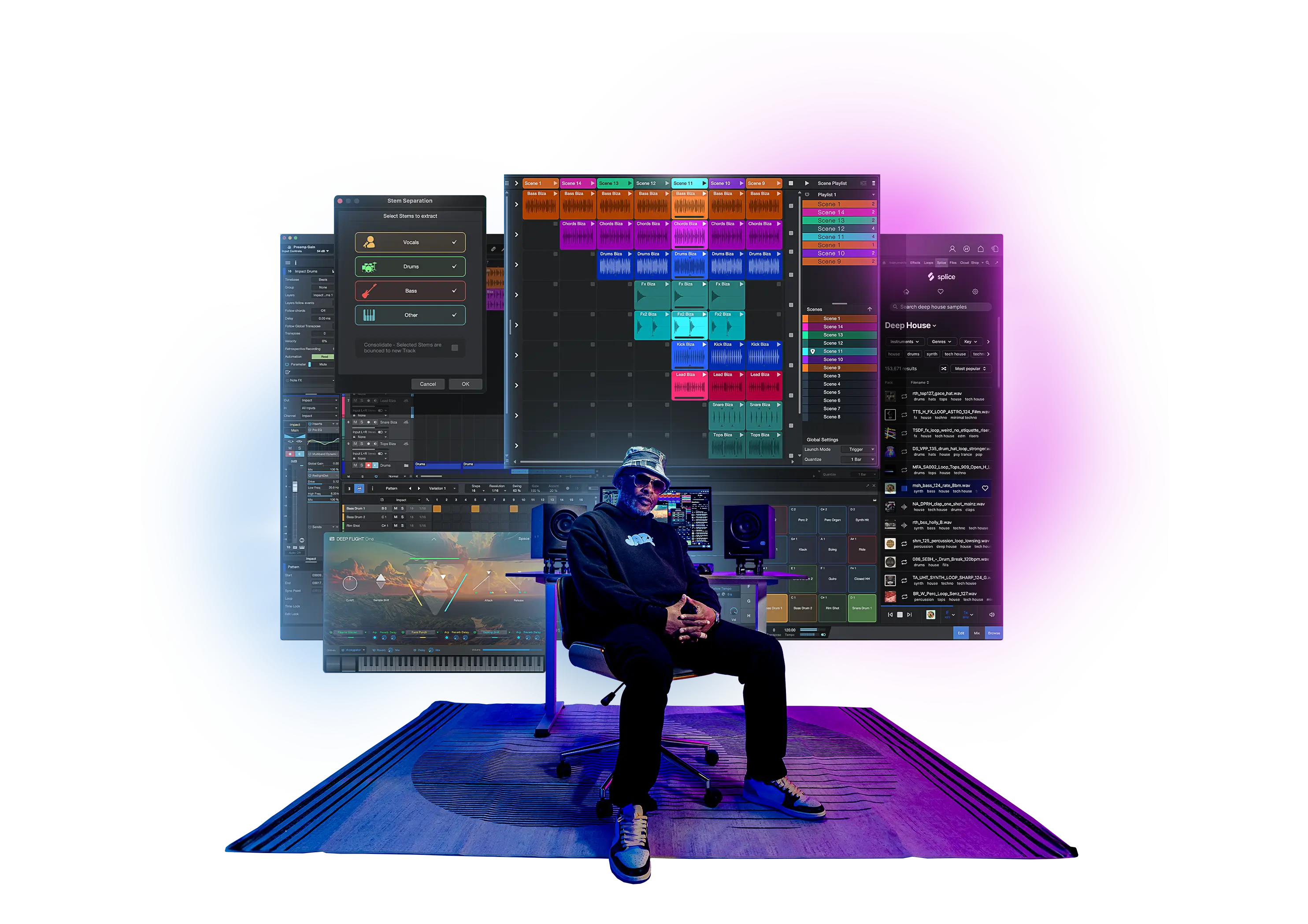
Studio One distinguishes itself with its integrated single-window interface, aiming to provide a seamless experience across recording, production, mixing, mastering, and even performance . Its innovative Launcher feature allows for crafting arrangements using a dynamic grid of audio and MIDI loops . A standout feature is its AI-powered Stem Separation, enabling creators to unmix audio into separate tracks, which can be incredibly useful for creating instrumental versions of existing songs or for intricate sample manipulation.
Reaper
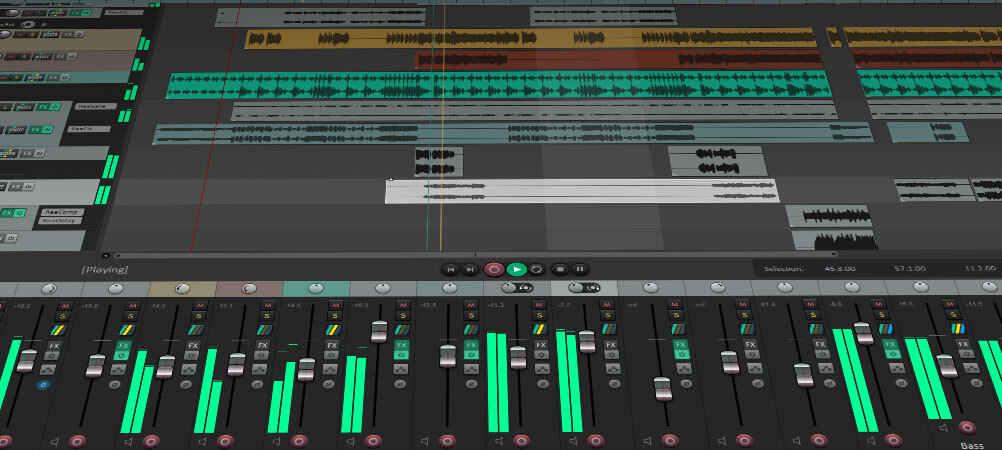
is often lauded for its efficiency, flexibility, and extensive customization options . It’s a lightweight DAW that loads quickly and runs smoothly on a wide range of systems. Its powerful audio and MIDI routing capabilities offer immense control over signal flow . Reaper provides thorough MIDI hardware and software support and is compatible with a vast array of third-party plugins . Its audio editing features are highly flexible, and its affordability makes it an attractive option for many producers. Its major feature for me its ability to handle heavy plugins and heavy load VST chains from manufacturers like Acustica Audio (I love them, but they are really CPU heavy!) without clogging the cpu like all the other DAWs do.
FL Studio
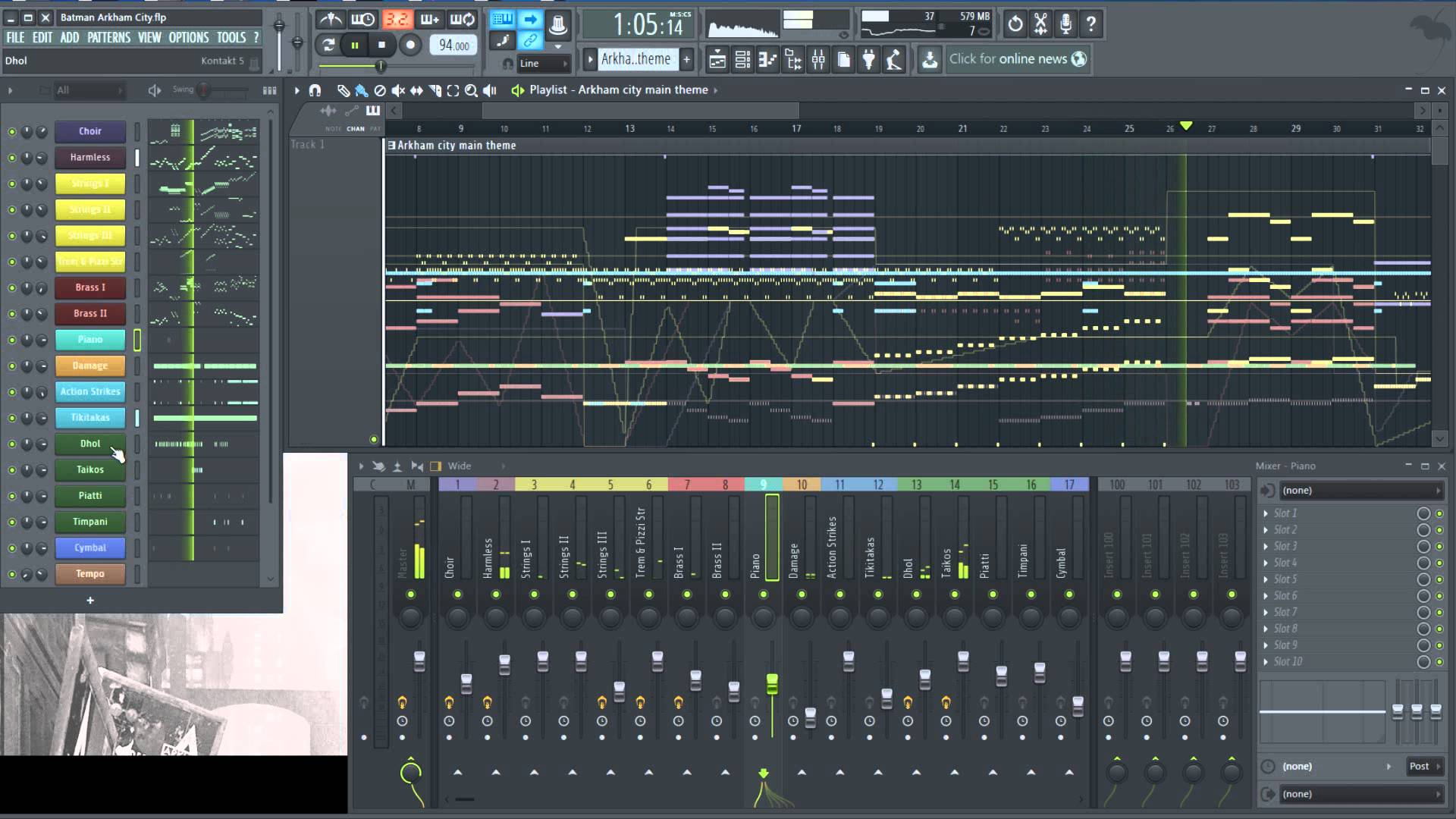
With its pattern-based workflow, has gained immense popularity, particularly among beatmakers and electronic music producers . The Channel Rack, Playlist, Piano Roll, and Mixer work together in a unique and intuitive way for many users . FL Studio comes bundled with a wide variety of built-in instruments and effects, offering a comprehensive sonic toolkit out of the box. Great for instrumental production, a bit limited for mixing but it can do its job without problems.

Marco
What is the best audio production software in 2025 for you? If you have questions or need assistance for your DAW, don’t hesitate to Contact us!


